
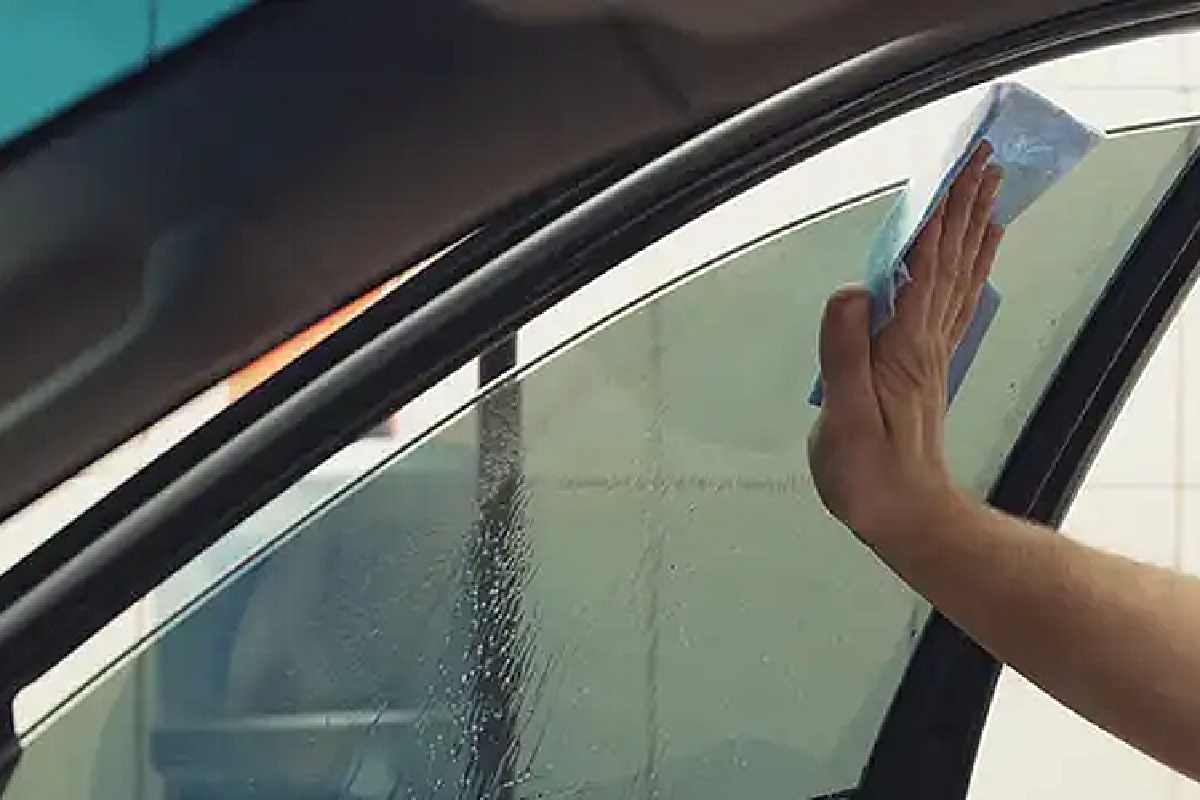
BF Film ceramic tint and 3M ceramic tint are both designed to improve comfort and protection in your vehicle by reducing heat and blocking harmful rays, but they differ in brand recognition, performance consistency, and technology backing. Ceramic tints in general use nano-ceramic particles to block UV rays (up to ~99%) and reduce infrared heat, helping keep your car cooler and protecting interiors from fading without interfering with electronics like GPS or phones.
What is BF Film Ceramic Tint vs 3M?
BF Film Ceramic Tint is a high quality nano-ceramic window film brand that has high heat rejection characteristics, competitive prices and is increasingly popular in India and Southeast Asia.
The 3M Ceramic Tint belongs to the 3M brand of the world, and is known to have high optical clarity, regular performance, and durability.
Both use ceramic nanoparticle technology, meaning:
- No metal layers
- No signal interference
- Better heat rejection than dyed or carbon films
However, their price, performance balance, and brand positioning differ significantly.
BF Film Ceramic Tint — Brand Overview
| Aspect | Details |
| Origin & Brand Background | BF Film has been in business for over 15 years and is a ceramic tint importer that started in Thailand and distributes regionally; it focuses on offering quality ceramic window films at reasonable prices. |
| Target Market & Positioning | Positioned as a value-oriented ceramic tint for everyday vehicles and drivers who want UV and heat protection without premium pricing. |
| Overview of Product Lines | Offers multiple ceramic film options, including BF Film Stone Ceramic (general heat/UV protection) and BF Film Ceramic Pro+ (higher IR rejection and visibility balance). Ceramic films are metal-free and designed to protect from heat and UV. |
3M Ceramic Tint — Brand Overview
| Aspect | Details |
| 3M Brand Legacy & Automotive Reputation | 3M is a global technology and materials company with over 55 years of automotive tint innovation. It developed some of the earliest sun-control window films and is known for quality, durability, and global support. |
| 3M Ceramic Tint Series | Major series include: Crystalline Series (multilayer optical film with superior heat rejection and clarity) and Ceramic IR Series (nano-ceramic technology with high infrared and UV rejection). Both use metal-free ceramic tech that won’t interfere with electronics or signals. |
| Global Availability & Dealer Network | 3M tint is sold and installed through authorized 3M dealers and installers worldwide, with extensive distribution and strong warranty support; films often come with comprehensive warranties backed by 3M. |
BF Film Ceramic Tint vs 3M Ceramic Tint
| Factor | BF Film Ceramic Tint | 3M Ceramic Tint |
| Brand Origin | BF Film (often regional / aftermarket brand) | 3M (Global, established technology brand) |
| Technology Type | Ceramic infused nano-particles (varies by manufacturer) | Advanced ceramic technology with consistent quality |
| Heat Rejection | Good to very good (depends on grade) | Excellent — industry-leading IR heat rejection |
| UV Protection | Blocks up to ~99% UV | Typically blocks ~99%+ UV |
| Glare Reduction | Moderate to high | High — very effective glare control |
| Signal Interference | Minimal | None — ceramic does not block signals |
| Durability & Fade Resistance | Good (depends on installation) | Very high — long lasting |
| Clarity & Visibility | Good | Excellent — premium optical clarity |
| Warranty | Varies by dealer/installer | Often backed by manufacturer warranty |
| Price Range | More affordable to mid-range | Premium pricing |
| Installation Availability | Widely available (local shops) | Available through authorized 3M dealers |
Best Car Tint Options — Country-Wise Comparison (Prices & Features)
| Country | Top Tint Brands / Films | Approx Price Range | Key Features | Notes / Resources |
| 🇺🇸 United States | 3M Crystalline, LLumar AIR80, XPEL PRIME XR Plus, Solar Gard HPX | $400 – $1,300+ (full car, installed) | Premium ceramic & nano-ceramic, high heat & UV rejection, no signal interference | 3M and XPEL are among the most recommended premium tints in the U.S. market. |
| 🇮🇳 India | 3M Crystalline, LLumar (Ceramic), Johnson Eco Carbon, Aegis CX70 Ceramic, Hexa Shade Dyed | ₹8,000 – ₹22,000+ (full car, installed) | Ceramic films offer best heat/UV rejection; carbon & metallic options provide good value for money | Ceramic options are best for extreme heat; dyed/metallic are budget choices. |
| 🇬🇧 United Kingdom | 3M Crystalline, LLumar CTX/AIR Series, Solar Gard | £300 – £900+ | Ceramic & nano-ceramic films with excellent visibility, high UV rejection | Premium films are widely available through auto shops and detailing specialists |
| 🇿🇦 South Africa | 3M (various series), LLumar, SunTek, Solar Gard | R4,000 – R12,000+ | Ceramic and carbon films with strong heat and glare control | Local installers often offer a range of options for hot climate conditions |
| 🇦🇺 Australia | 3M, LLumar, SunTek, Black Armour, ASWF | AU$350 – AU$900+ | Durable ceramic & carbon films with UV & heat rejection suited to strong sun | Black Armour and ASWF are strong local choices; 3M & LLumar remain premium picks. |
Is BF Film or 3M a Better Investment?
This is where BF Film becomes very attractive for Indian buyers.
BF Film Ceramic Tint price list
| Vehicle Type | Approx Price (₹) |
| Hatchback | 18,000 – 25,000 |
| Sedan | 22,000 – 30,000 |
| SUV | 25,000 – 35,000 |
The BF film ceramic tint vs 3m price in india
| Brand | Hatchback | Sedan | SUV |
| BF Film Ceramic | ₹18k – ₹25k | ₹22k – ₹30k | ₹25k – ₹35k |
| 3M Ceramic | ₹35k – ₹45k | ₹40k – ₹55k | ₹50k – ₹70k |
BF Film Ceramic Tint Review
| Aspect | Key Points |
| Product Overview | Ceramic tint using nano-ceramic technology with heat and UV rejection; marketed with non-metallic film that won’t interfere with electronics and signals. |
| Heat & UV Protection | Claimed ~90–99% UV block and strong IR/heat rejection depending on series (Stone or Pro+) with long lifespan. |
| Signal & Visibility | Non-metal formulation means no interference with GPS/cell signals and clear inside visibility. |
| Durability & Warranty | Offers 7–8+ year warranty in promotional material; ceramic films generally resist fading and degrade less than dyed alternatives. |
| Performance Feedback | Some owners report good heat reduction and clarity even after years. Others mention decreased effectiveness over time or inconsistent performance. |
| Customer Service / Warranty Issues | Mixed experiences reported — some found poor service when claiming warranty (long wait, low responsiveness). |
| Price & Value | Positioned competitively among ceramic tints; sometimes considered overrated by users compared to 3M/VKool for price vs performance. |
| User Opinions (Community Discussions) | Views vary: some users like the tint’s performance, others prefer premium brands like VKool or 3M due to known consistency. |
| Installation Notes | Best results with professional installation; curing can take significant time (up to 15–30 days mentioned in some community discussions). |
| Overall Takeaway | A mid-range ceramic tint choice — decent heat & UV rejection, non-interfering film, and long warranty on paper; quality and service feedback vary widely. |
What Is BF Film Ceramic Tint and What Is Vkool?
BF Film Ceramic Tint
A rapidly growing entry in the ceramic tint segment, BF Film uses nano-ceramic technology to reject heat and infrared radiation while maintaining signal clarity and a sleek aesthetic. It has quickly gained attention in the Indian market due to its strong performance relative to its price.
Vkool Ceramic Tint
Vkool is one of the most established premium window film brands in India and globally. It also uses advanced nano-ceramic and multi-layered technology aimed at high infrared rejection, UV protection, and excellent optical clarity.
Both are designed to:
- Reduce interior heat buildup
- Block harmful UV rays
- Maintain clarity without interference to electronics
BF Film Ceramic vs Vkool: Key Differences at a Glance
| Feature | BF Film Ceramic Tint | Vkool Ceramic Tint |
| Brand Recognition | Emerging | Well-established |
| Technology | Nano-ceramic | Advanced nano-ceramic |
| Heat Rejection (TSER) | ~60–65% | ~62–68% |
| Infrared Rejection | ~88–92% | ~90–95% |
| Optical Clarity | Very good | Excellent – especially in low light |
| Warranty | 5–7 years (varies by dealer) | 5–10 years (often longer) |
| Price (India) | Affordable–Mid | Premium–Mid |
| Installation Ease | Slightly thicker (needs pro installer) | Smooth and uniform |
BF Film Ceramic Tint at Night Amazon Searches
Many users search phrases like “BF Film Ceramic Tint at night Amazon” — looking for availability or deals.
While Amazon may list accessories or generic film rolls, professional automotive window films are typically not ideal for DIY from Amazon — because fit precision and warranty activation depend on authorized installation.
If you find BF Film on Amazon, verify:
- Genuine seller
- Warranty activation through authorized dealer
- Correct film code (not generic tint)
BF Film Ceramic Tint vs 3M Reddit Opinions
Across Reddit reviews:
3M praised for clarity and real-world heat rejection
BF Film mentioned as surprisingly good for the price
Some Redditors say VKool feels premium but is closer to 3M only in IR rejection, not clarity
Common thread: Ceramic is worth it over metallic or dyed, regardless of brand — comfort improves significantly in Indian heat.
BF Film Ceramic Tint vs 3M: Which Is Better?
Short answer:
- Choose BF Film if you want great performance at a reasonable price
- Choose 3M if you want top-tier quality and brand assurance
Pros & Cons (Side-by-Side Table)
| Factor | BF Film Ceramic Tint | 3M Ceramic Tint |
| Heat Rejection | Good heat rejection (often ~90%+ IR block claims) | Excellent heat rejection & consistent performance |
| UV Protection | High UV block (often ~99%) | Near-total UV block (~99%) |
| Signal Interference | No interference (non-metallic) | No interference (non-metallic) |
| Durability | Good but variable by installer & quality | Very good longevity & fade resistance ♻️ |
| Optical Clarity | Decent clarity depending on brand quality | High clarity, minimal haze |
| Price / Value | Generally more affordable | Premium pricing |
| Warranty & Support | Varies by dealer | Strong network & often better warranty coverage |
| Installation | Installer skill affects performance | Authorized installers give consistent results |
Which One Should You Choose? (Buyer Guide)
| Buyer Profile | Best Choice | Why |
| Budget-conscious buyers | BF Film Ceramic Tint | More affordable ceramic option |
| Heat-intense climates | 3M Ceramic Tint | Typically more consistent heat rejection and clarity |
| High-end vehicles | 3M Ceramic Tint | Premium performance & warranty support |
| Tech-focused users (GPS/Phone) | Either | Both are non-metallic and won’t interfere |
| Long-term ownership | 3M Ceramic Tint | Often longer life with professional support |
| Quick install / local shops | BF Film Ceramic Tint | Easier access/availability in some regions |
FAQs
Does ceramic tint interfere with signals?
No. Ceramic tint is non-metallic and non-conductive, so it won’t interfere with GPS, radio, Bluetooth, or mobile signals like metallic films sometimes do.
How long can ceramic tints last?
Quality ceramic tints typically last 10+ years with proper installation and care, far longer than regular dyed or metallic films.
Can ceramic tint be removed or upgraded easily?
Yes — with professional removal, ceramic tint can be taken off or replaced with a new film. This requires a skilled installer to avoid damage to the glass. (Typical industry note)
What is the difference between ceramic and metallic tint?
| Feature | Ceramic Tint | Metallic Tint |
| Heat Rejection | Excellent — reflects IR & blocks UV (~99%) | Good, but usually less than ceramic |
| Signal Interference | None — signals pass through | ⚠ Can interfere with radio/GPS |
| Durability | High, fade-resistant | Moderate; may fade over time |
| Appearance | Non-reflective, clear | Reflective / shiny |
Conclusion:
When choosing between BF Film Ceramic Tint and 3M Ceramic Tint, both offer significant advantages over traditional dyed or metallic films — but they appeal to slightly different buyers based on priorities like price, performance, and long-term reliability.